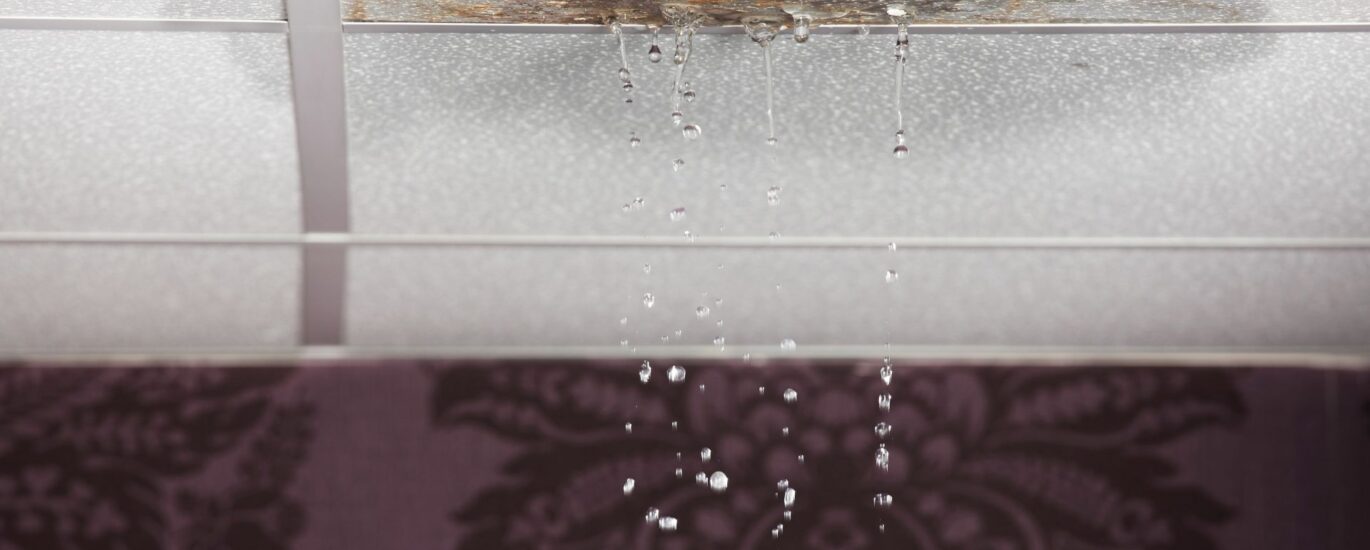
Water leaks can be stealthy, destructive, and expensive. The good news: with professional leak detection methods, you can pinpoint the problem early and take action before serious damage sets in.
In this article we’ll explore:
- What leak detection is and why it’s critical
- Advanced tools and methods used
- Common signs of leaks and when to act
- How professional leak detection ties into roofing services
- Steps to take once a leak is found
By the end, you’ll understand how leak detection works — and when you should call in an expert.
What Is Professional Leak Detection?
Leak detection refers to specialized techniques used to locate water intrusion—whether from plumbing, roofs, or buried pipes—without extensive demolition. Rather than tearing open walls or flooring, professionals use tools that “see” or “hear” the leak in concealed spaces. :contentReference[oaicite:0]{index=0}
The goal: find the exact source of the leak with minimal disruption, reducing repair costs and preventing further damage. Early detection often means the difference between a small repair and a full-blown restoration.
Why Leak Detection Matters
Before we jump into methods, it helps to grasp the real risks of undetected leaks:
- Structural damage (rot, weakening of support beams)
- Mold and mildew growth, which pose health risks
- Electrical hazards if moisture reaches wiring
- Stains, peeling paint, or warped finishes
- Escalating repair costs over time
If you’ve spotted signs like water stains, high moisture readings, or unexplained drips, leak detection is your first line of defense.
Advanced Methods That Pinpoint Hidden Leaks
Modern leak detection relies on smart, non-destructive tools. Below are some of the most effective methods professionals use.
Acoustic Listening Devices
- These amplify the subtle sounds of water escaping from pipes.
- Even a slow drip can generate signals that an expert can trace along plumbing lines.
- Useful in hidden or buried piping, where visual access is limited.
Thermal Imaging Cameras
- Water presence often causes temperature differences in materials.
- Thermal cameras can highlight those anomalies—cooler or warmer zones—indicating moisture accumulation. :contentReference[oaicite:1]{index=1}
- Great for scanning large roof surfaces or wall cavities without cutting open anything.
Moisture Meters
- Handheld tools measure the moisture content in surfaces like drywall, wood, or concrete.
- They help confirm if moisture is present and help define its boundaries.
- Often used in tandem with imaging scans.
Endoscopic (Borescope) Cameras
- These tiny, flexible cameras can be navigated into wall cavities, pipes, or under slabs.
- They allow direct visual inspection in confined spaces.
- Especially useful when you need to verify a suspected leak point.
Combined Approaches
In many real-world cases, experts combine multiple methods—acoustic + thermal + moisture scanning—to triangulate the precise leak location with confidence. :contentReference[oaicite:2]{index=2}
Recognizing the Signs of a Leak
Knowing when to trigger leak detection is key. Here are common indicators:
- Water stains or yellow/brown rings on ceilings or walls
- Bubbling or peeling paint or wallpaper
- Musty or moldy odors (especially in basements or crawl spaces)
- Unexpected spikes in water bills
- Dripping sounds when no water is in use
- Discoloration or softness in flooring or trim
If you spot any of these, it’s time to act. Ignoring them may allow damage to worsen.
How Leak Detection Relates to Roofing Services
Leak detection is closely tied to roofing repair and inspection work. In the context of roof leaks:
- A leak in the roof can travel long distances before appearing inside.
- Detection helps avoid tearing open your ceiling or roof blind.
- Many roofing contractors offer leak detection services as a specialized offering.
- Once the leak is located, roofing repairs can be targeted precisely.
To schedule leak detection for your property, you might start with a trusted roofing service that offers leak detection. For example, you can read more about how A+ Roofing Contractors Miami handles it via their leak detection page.
Explore Leak Detection Service
What Happens During a Leak Detection Job?
Here’s a typical workflow for a professional leak detection inspection:
- Initial consultation & history
- You explain where you’ve seen stains, drips, or other symptoms.
- The technician reviews past repairs, roof layout, or plumbing maps.
- Surface scans & non-invasive testing
- Use thermal imaging, moisture meters, or acoustic listening to narrow down zones.
- These non-destructive steps often locate the issue without opening walls.
- Focused visual inspection (if needed)
- Use endoscopic cameras to inspect inside wall cavities, pipes, or roofing layers.
- Confirm the leak’s precise location.
- Detailed report creation
- The technician prepares a summary: where the leak is, how serious it is, suggested actions.
- Sometimes they spray or mark affected roof zones or show thermal overlays. :contentReference[oaicite:3]{index=3}
- Repair planning
- Based on findings, the repair method is determined (patching, replacing flashing, sealing, etc.).
- Then repair work can begin with confidence.
Some companies also combine infrared drone inspection for large roofs to create a bird’s-eye moisture map. :contentReference[oaicite:4]{index=4}
When Should You Call a Leak Detection Service?
It’s easy to wait until water is dripping—don’t. Instead, call a professional when:
- You see early warning signs (stains, smells, odd bill spikes)
- Past repairs haven’t held
- You suspect slow, hidden leaks (roof, slab, plumbing)
- You plan to maintain or protect a property (for example, before selling or during inspections)
- You want to minimize damage and avoid large repair bills
Once you decide, you can easily connect with a service by visiting their contact page. For example, to reach A+ Roofing Contractors Miami, see their contact form here:
Contact A+ Roofing Contractors Miami
Best Practices After Leak Detection
After the leak is located, here’s how to make the repair process smoother and more effective:
- Act quickly — delays often lead to cascading damage
- Share the leak report with your repair team — it saves time
- Confirm repair scope — ensure the fix addresses all affected components
- Monitor after repair — retest with the same tools to confirm success
- Schedule periodic inspections — even after repair, detect early warning signs
Wrapping Up
Leak detection is a powerful, non-destructive tool in your maintenance arsenal. Whether your issue stems from a faulty roof, aging plumbing, or hidden structural flaws, professionals equipped with acoustic devices, thermal imaging, and endoscopic cameras can find leaks precisely and efficiently.
This targeted approach helps you minimize disruption, reduce repair scope, and manage costs. From the first signs of trouble to the final fix, leak detection is the intelligent way to protect your property.
If you’re ready to schedule leak detection or learn more, you can start by reviewing our leak detection service page or contacting us through our contact form.